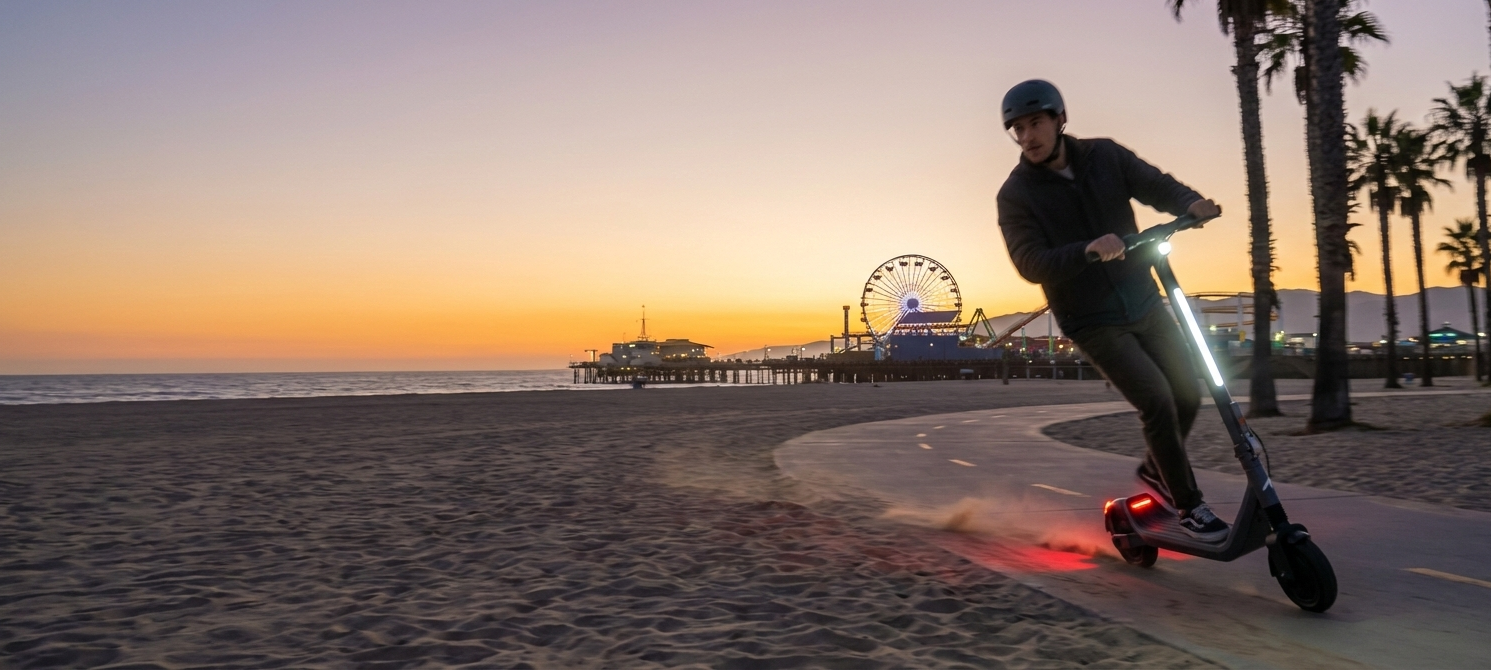


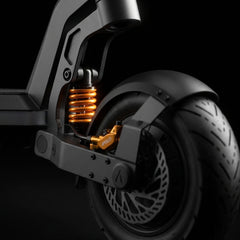
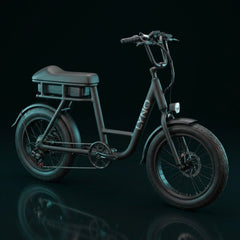
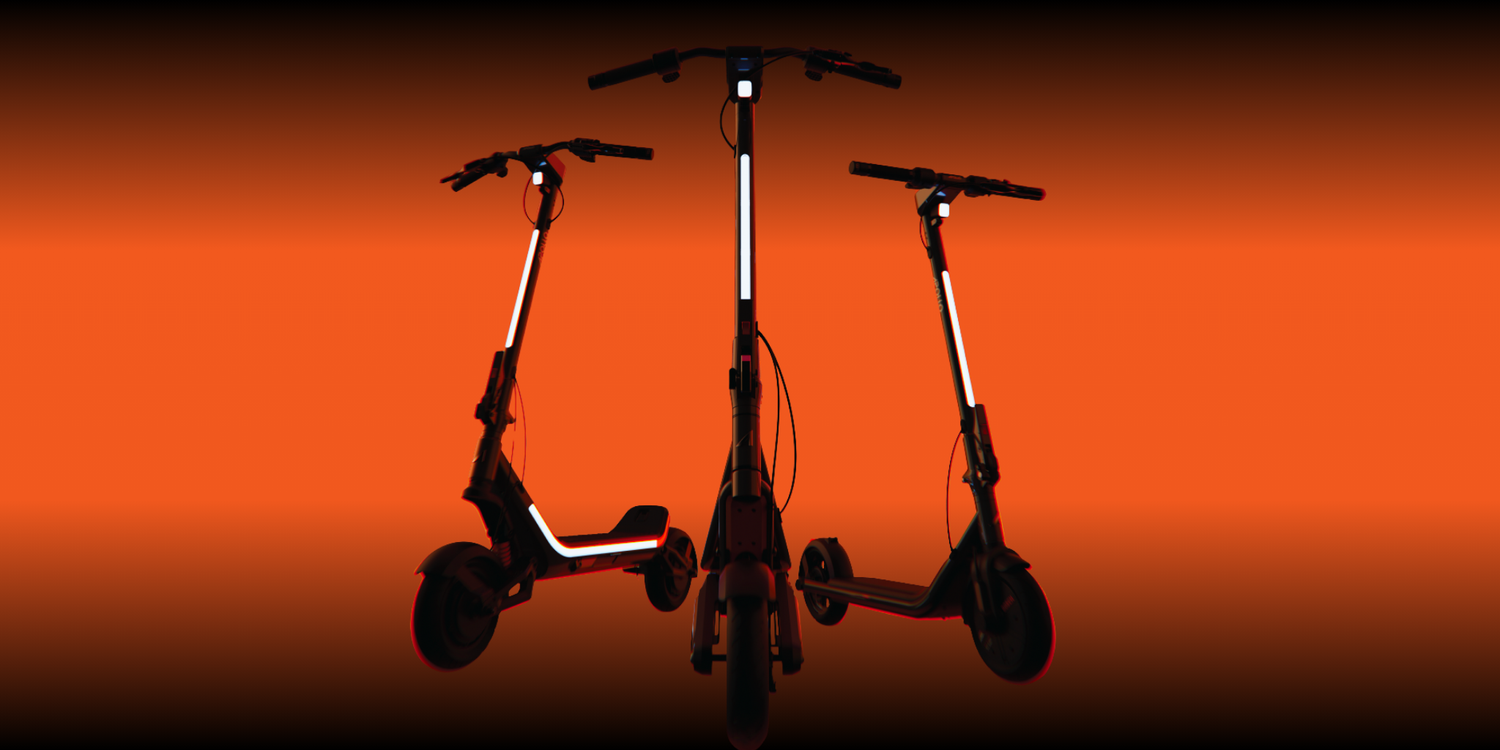
The e-scooter market is still relatively young, with merely ~6 years of e-scooters being available for personal use (shared e-scooters have been around longer, about 15 years). However, in the last 1-2 years, we’ve seen an incredible transformation, integrating technology from other industries, developing more powerful and design-forward scooters. We expect 2026 to be a transformative year for the micromobility industry.
Below, we will explore the current landscape (end of 2025), the trends we’re seeing, and what brands are doing. Do you want to share your thoughts? Send us an email to info@apolloscooters.co, we love hearing from our customers.
The Current State of the E-Scooter Market
We’ve seen exponential growth of the electric scooter market every single year. However, we've recently seen a shift in the consumer’s perspective. A couple of years ago, riders were reluctant to use this mode of transportation, from scooters not having enough range, to “I need to see to use one first”. However, over the last year we’ve noticed a faster adoption rate; riders are now familiar with electric scooters and the question they are asking is no longer “Should I get an electric scooter?” but rather “What electric scooter should I get?”.
The e-scooter industry (we’re considering personal scooters & shared) continues to grow due to several factors including:
-
An expansion of micromobility networks in major cities: As population grows and so does traffic, cities are continuing to support different, more efficient, and ecofriendly modes of transportation, including e-scooters.
-
The change in economy over the past couple of years has forced citizens to look for lower-cost alternative modes of transportation. In this category, we see e-bikes and e-scooters.
-
Steady improvements in reliability and safety in the e-scooter industry has created more interest in riders. Creating an increase in demand.
The e scooter market has evolved from basic last-mile solutions to highly sophisticated models with advanced performance, app connectivity, and safety systems. Generating more awareness, acceptance, and thus a higher adoption rate.
Forecasts indicate a multi-billion-dollar electric scooter market forecast by 2026, with both personal and shared-use scooters contributing to growth.
What Will Shape the 2026 E-Scooter Market?
Several major influences will determine how the e-scooter industry evolves in the coming years:
1. Evolving Regulations: Key Shifts in the E-Scooter Market
As a relatively new form of transportation, e-scooters are increasingly subject to government regulation. While some regions (like California) have been quick to act, others are just beginning to develop rules. The continuous evolution of these regulations is expected to significantly impact what is available to consumers.
There are two major regulatory areas to monitor:
-
Speed Limits: Currently, many electric scooters are capped at 25 km/h (15 mph). Stricter enforcement or changes to this limit could restrict the use and appeal of e-scooters.
-
Riding Requirements: In the coming years, we may see the introduction of requirements for scooter registration or even a special driving license. Such measures would likely have a major impact on the overall rate of adoption.
2. Technology breakthroughs
The industry has evolved so much in the past couple of years, that we can only expect this to continue advancing at an incredibly fast pace.
-
Technological breakthroughs, especially in AI, batteries, and durability
-
A shift from “fun” to functional commuting devices
-
Increased investment in urban mobility infrastructure
-
Rising environmental pressure to replace car usage
Together, these forces will accelerate adoption while raising expectations for quality and performance.
Technology Advancements Expected by 2026
The next two years will deliver some of the biggest leaps in scooter technology to date. Riders can expect:
1. AI-Driven Intelligence and Predictive Systems
Scooters will increasingly use AI for route optimization, maintenance prediction, diagnostics, ride recommendations, and safety alerts. Connectivity will become a primary purchasing driver.
2. Longer-Lasting, Safer Batteries
Battery innovations remain central to the electric scooter trends shaping 2026. Expect:
-
Higher-density cells with longer range
-
Faster charging times
-
Safer thermal profiles
-
Improved cold-weather performance
3. Stronger Frames and Higher Durability Standards
After years of concerns about reliability, brands are investing heavily in reinforced frames, improved waterproofing, and more rigorous testing frameworks.
4. Integrated Smart Features
By 2026, premium models will commonly include smart features like:
-
Real-time GPS tracking
-
Anti-theft systems
-
Mobile app ecosystems
-
Regenerative braking improvements
-
Advanced lighting and visibility systems
5. Enhanced Comfort and Ride Stability
Expect industry-wide improvements in suspension systems, deck ergonomics, and weight distribution to better support daily commuting.
Consumer Behavior Shifts in the E-Scooter Market
The e scooter market is being reshaped by a new generation of buyers with new expectations. Key shifts include:
-
Reliability over speed: Consumers now prioritize durability, long-term value, and brand trust.
-
Safety as a decision-maker: Integrated lights, visibility tech, and advanced braking systems significantly influence purchases.
-
App-connected ecosystems: Riders want data insights, ride tracking, and seamless customer support through unified platforms.
-
Return to commuting: With hybrid work stabilizing, scooter commuting is rising again.
-
Weight and portability considerations: Lightweight and foldable models are in particularly high demand.
Market Trends for Brands and Manufacturers
To stay competitive in the e-scooter industry, manufacturers must adapt to new market realities:
1. Platform Ecosystems Will Replace Standalone Models
By 2026, brands will increasingly offer unified platforms connecting scooters, e-bikes, apps, and accessories.
2. More Premium Segmentation
As riders seek long-term investments, the premium category is growing faster than entry-level scooters.
3. Sustainability Will Become a Selling Point
Eco-conscious riders want repairability, recyclable materials, and longer product lifecycles.
4. Cities Will Become Major Stakeholders
Urban planning departments are driving changes in infrastructure, requiring brands to adapt to emerging micromobility guidelines.
5. Manufacturing Consolidation
Expect mergers and strategic partnerships as competition intensifies globally.
Challenges Facing the 2026 E-Scooter Market
Despite strong momentum, the electric scooter trends shaping 2026 come with hurdles:
-
Regulatory fragmentation: Rules vary dramatically between cities and countries.
-
Infrastructure limitations: Not all cities have safe, dedicated micromobility lanes.
-
Supply chain volatility: Batteries, chips, and aluminum remain sensitive markets.
-
Public perception: Safety incidents continue to shape public debate.
-
Environmental questions: Lifecycle emissions and shared fleet waste remain concerns.
Brands that solve these challenges—particularly around safety and sustainability—will lead the next chapter of the electric scooter market.
What This Means for Riders, Sellers, and Cities
For Riders
Expect safer, smarter, and more comfortable scooters. The 2026 rider will enjoy:
-
Longer range
-
Better reliability
-
Integrated apps and AI recommendations
-
Greater peace of mind
For Retailers and Brands
Competition will intensify. Success will depend on:
-
Strong after-sales service
-
Durable designs
-
Connected ecosystems
-
Transparent safety and testing standards
For Cities
Cities will benefit from reduced congestion, lower emissions, and expanded micromobility usage—provided infrastructure keeps pace.
Conclusion: A More Advanced, Safer, and Sustainable E-Scooter Future
By 2026, the e scooter market will be defined by smarter technology, higher safety expectations, and deeper integration into everyday life. With advances in batteries, AI, regulations, and rider behavior, the next generation of scooters promises a future that is more sustainable, more reliable, and more aligned with the evolving needs of global cities.
The journey toward a fully connected urban mobility ecosystem is already underway—and electric scooters will play a leading role in shaping it.