


Technology

The Future of Battery Recycling for E-Scooters

The Future of Battery Recycling for E-Scooters

As electric scooters continue to redefine urban mobility, one big question keeps surfacing—really, across the entire EV industry: how sustainable is it when discarded batteries create so much waste? What actually happens when those batteries reach the end of their life? And most importantly, what should we be doing when we’re looking to dispose of batteries?

The truth is, battery recycling remains one of the most important sustainability challenges for the e-scooter industry—and we’re still far from where we need to be.

In this article, we’ll explore why battery recycling matters, how lithium-ion batteries are currently handled, the challenges ahead, and the innovations shaping a more sustainable future for micromobility. Plus, what you should keep in mind when it comes time to replace your own scooter (or battery).

Why Battery Recycling Matters for the E-Scooter Industry

Most e-scooters run on lithium-ion batteries—the same technology powering electric cars, laptops, and smartphones. While these batteries enable cleaner transportation, they also pose serious environmental risks if not managed properly. And let’s be honest: how many people do you know who actually bring old batteries to a recycling center instead of tossing them in the trash?

Without proper recycling, used batteries contribute to soil contamination, water pollution, and greenhouse gas emissions. They also represent wasted valuable resources, since valuable materials like cobalt, nickel, and lithium could be recovered and reused.

Beyond environmental damage, improper disposal creates safety risks. Batteries that end up in the wrong place can cause fires or even explosions. That’s why it’s so important to recycle responsibly. If you’re getting rid of a scooter, check whether local recycling programs or repair shops will take it. Some shops even repurpose parts, giving them a “second life” instead of letting them go to waste.

Methods of Lithium-Ion Battery Recycling

A visualization of the cycle for lithium-ion battery recycling

So how does battery recycling work? Most lithium-ion battery recycling today relies on one of two methods:

  1. Pyrometallurgical (smelting): Batteries are melted down to recover metals like cobalt, nickel, and copper. Effective, but energy-intensive.

  2. Hydrometallurgical (chemical leaching): Uses solvents and acids to extract valuable metals with higher efficiency. (EPA)

That said, reuse is often the greener first option. If a battery still has life left, it may be repaired, refurbished, or repurposed. For example, EV batteries that are no longer suitable for cars are sometimes reused to store solar energy. Even e-scooter battery packs with a few “bad” cells can be repaired and put back to use in another application. Extending a battery’s life is almost always better than breaking it down.

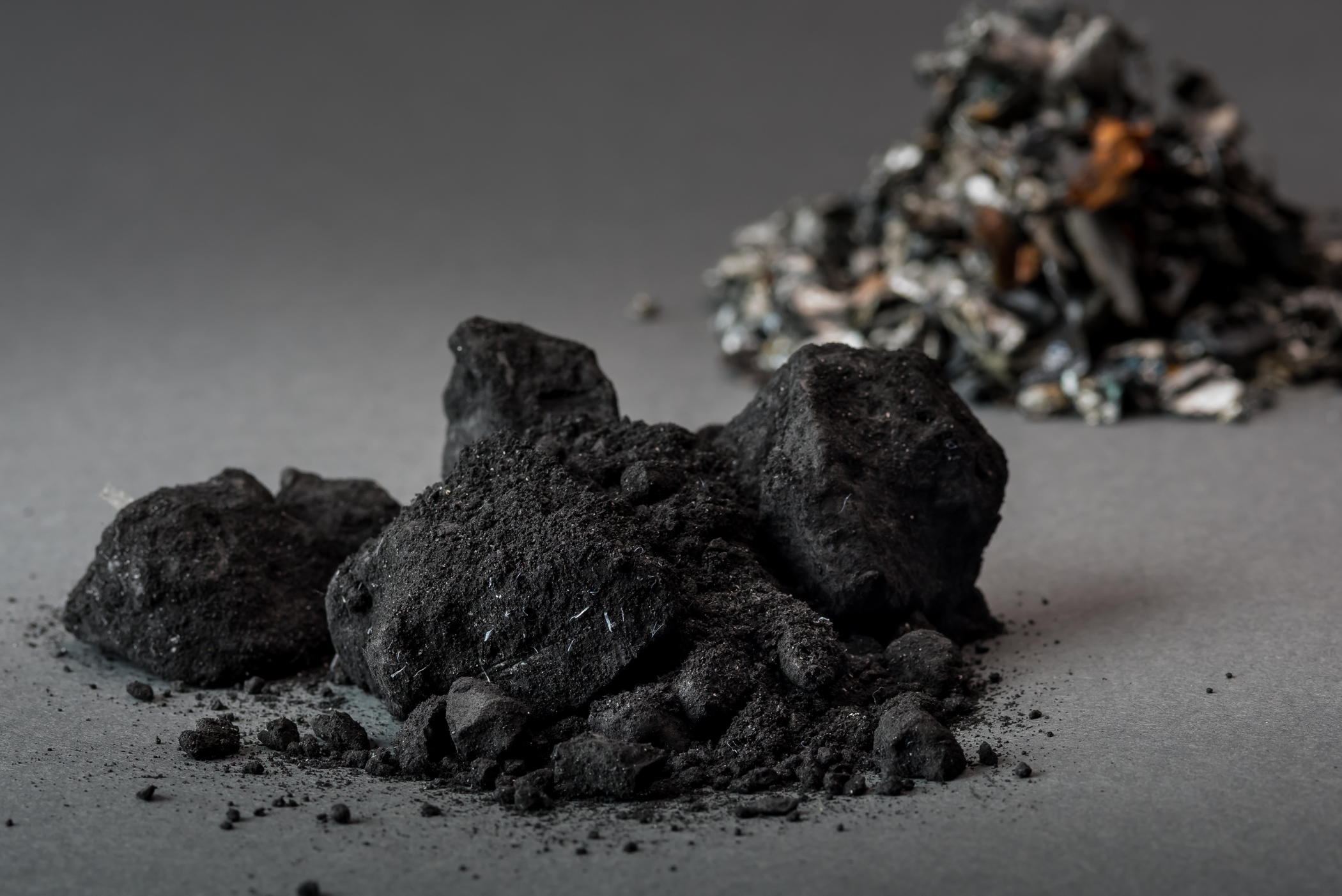
Black mass from shredded lithium-ion batteries. Source Argonne National Laboratory

Argonne National Laboratory

Challenges in Recycling E-Scooter Batteries

Recycling sounds easy, but the reality is complicated. Let’s take plastic recycling, which has been going on for more years. Even though it’s further developed, it continues to be incredibly inefficient and energy consuming, making the process highly polluting and thus, not a great option. According to this article by Forbes - only 5% of plastics are actually recycled! Why? While there are many challenges; the main one which we also see in any other recycling processes is correct disposal. As you can imagine, not everyone actually takes them to the right location to be disposed of creating a problem from the getgo. 

So, what are the challenges, specific to Lithion-Ion Battery recycling? 

  • Collection: The biggest challenge is getting batteries to the right place. In the U.S., only about 5% of lithium-ion batteries are recycled (this includes all batteries from the EV industry). In Australia, it’s even lower at 2–3%. E-scooters are especially tricky since many are discarded like household waste.

  • Cost: Recycling is often more expensive than sourcing new materials, which discourages investment. Without stronger government support, scaling this industry remains difficult.

  • Complexity: Lithium-ion batteries vary widely in size, chemistry, and construction. This lack of standardization makes it hard to create efficient, universal recycling processes (battery recyclers of america).
    Safety: Mishandled batteries can spark fires or leak toxic chemicals, creating risks for waste facilities and the environment.

In other words: battery recycling is necessary, but not yet easy.

The Environmental Impact of Improper Battery Disposal

When e-scooter batteries aren’t recycled, the consequences are serious. Toxic metals seep into soil and groundwater. Incineration releases harmful emissions. And in landfills, lithium-ion batteries can trigger dangerous fires.

One Australian study found that 98.3% of lithium-ion batteries end up in landfills, fueling landfill fires that can burn for years. A landfill in the Pacific Northwest reported 124 fires in just 3.5 years caused by lithium-ion batteries—fires that grew from 21 incidents in 2018 to 47 by 2020.

Battery waste isn’t just an environmental issue—it’s a growing climate and public safety threat

Global Regulations Driving Better Battery Recycling Practices

Because recycling is so resource-intensive, government support is critical for the process to evolve to meet today’s [and tomorrow’s] demand. Today, much of the recycling capacity is centered in China and Southeast Asia, but stronger global frameworks are beginning to emerge - although not at a high pace. 

The EU Battery Directive (Science direct) has set ambitious targets for collection and matter recovery; mandating minimum levels of recycled material in new batteries:

  • By 2031: 6% lithium, 15% nickel, and 16% cobalt must come from recycled sources

  • By 2036: those targets rise to 12%, 15%, and 26%, respectively.

  • Lead recycling remains at a high 85% requirement.

Manufacturers who fail to meet these standards risk exclusion from the EU market—a move that could reshape supply chains worldwide. While these goals seem ambitious and in the right direction, they have failed to explain how these targets will be met - one of the biggest challenges today - the How. 

From this perspective, North America lags behind, although momentum is growing. Still, the recent collapse of Canadian recycler Li-Cycle shows just how fragile the industry is without sustained funding and policy support (CBC). Currently there are no other plans for the Canadian government to support battery recycling, making it practically impossible for further growth. However, the requirement for batteries in the near future will continue to grow as a preference for EV develops, making it necessary for the authorities to get involved and support the industry. 

What Consumers Can Do to Support Sustainable Recycling

We’ve established that the first (and possibly biggest) challenge to building a smooth recycling program is simply getting scooters (and their parts) to the right place. So here’s what you can do to get started:

First and most importantly—extend the life of your battery. Always follow the manufacturer’s instructions on proper care and maintenance. The longer your battery lasts, the more sustainable it is, since it delays the need to disassemble or recycle it in the first place.

But if your battery has reached the end of its life, the next step is finding the right place to dispose of it responsibly. Here are a couple of starting points (though we encourage you to research what’s best in your area):

The Road Ahead: What the Next Decade Holds for Battery Recycling

Looking forward, battery recycling needs to become more efficient, widespread, and cost-competitive. In the next decade, we hope to see:

  • First, we’ll start seeing an expanded use of battery reuse in second-life applications. 

  • Next, we’ll need to see more support from local authorities to ensure the focus is on battery recycling, with the right methods and no pollution or hazards are generated by the process. 

  • Then, we’ll hopefully start seeing more standardized recycling processes across industries to ensure it’s actually possible to recycle most of the used batteries.

  • Consumer education campaigns make recycling as natural as recycling plastics or paper.

The future of e-scooter battery recycling is not just about managing waste—it’s about unlocking a sustainable energy future.

Final Thoughts

Battery recycling may still be in its early stages, but the need to speed up the process is necessary. The combined efforts of manufacturers, regulators, and consumers is needed to ensure a sustainable battery disposal ecosystem in the future. 
 

Leyendo a continuación

The Growth of Electric Scooter Sharing Programs
How to Read Electric Scooter Specs Like a Pro

Table of contents

    1. As electric scooters continue to redefine urban mobility, one big question keeps surfacing—really, across the entire EV industry: how sustainable is it when discarded batteries create so much waste? What actually happens when those batteries reach the end of their life? And most importantly, what should we be doing when we’re looking to dispose of batteries? The truth is, battery recycling remains one of the most important sustainability challenges for the e-scooter industry—and we’re still far from where we need to be. In this article, we’ll explore why battery recycling matters, how lithium-ion batteries are currently handled, the challenges ahead, and the innovations shaping a more sustainable future for micromobility. Plus, what you should keep in mind when it comes time to replace your own scooter (or battery). Why Battery Recycling Matters for the E-Scooter Industry
    2. As electric scooters continue to redefine urban mobility, one big question keeps surfacing—really, across the entire EV industry: how sustainable is it when discarded batteries create so much waste? What actually happens when those batteries reach the end of their life? And most importantly, what should we be doing when we’re looking to dispose of batteries? The truth is, battery recycling remains one of the most important sustainability challenges for the e-scooter industry—and we’re still far from where we need to be. In this article, we’ll explore why battery recycling matters, how lithium-ion batteries are currently handled, the challenges ahead, and the innovations shaping a more sustainable future for micromobility. Plus, what you should keep in mind when it comes time to replace your own scooter (or battery). Why Battery Recycling Matters for the E-Scooter Industry Most e-scooters run on lithium-ion batteries—the same technology powering electric cars, laptops, and smartphones. While these batteries enable cleaner transportation, they also pose serious environmental risks if not managed properly. And let’s be honest: how many people do you know who actually bring old batteries to a recycling center instead of tossing them in the trash? Without proper recycling, used batteries contribute to soil contamination, water pollution, and greenhouse gas emissions. They also represent wasted valuable resources, since valuable materials like cobalt, nickel, and lithium could be recovered and reused. Beyond environmental damage, improper disposal creates safety risks. Batteries that end up in the wrong place can cause fires or even explosions. That’s why it’s so important to recycle responsibly. If you’re getting rid of a scooter, check whether local recycling programs or repair shops will take it. Some shops even repurpose parts, giving them a “second life” instead of letting them go to waste. Methods of Lithium-Ion Battery Recycling So how does battery recycling work? Most lithium-ion battery recycling today relies on one of two methods: Pyrometallurgical (smelting): Batteries are melted down to recover metals like cobalt, nickel, and copper. Effective, but energy-intensive. Hydrometallurgical (chemical leaching): Uses solvents and acids to extract valuable metals with higher efficiency. (EPA) That said, reuse is often the greener first option. If a battery still has life left, it may be repaired, refurbished, or repurposed. For example, EV batteries that are no longer suitable for cars are sometimes reused to store solar energy. Even e-scooter battery packs with a few “bad” cells can be repaired and put back to use in another application. Extending a battery’s life is almost always better than breaking it down. Argonne National Laboratory Challenges in Recycling E-Scooter Batteries Recycling sounds easy, but the reality is complicated. Let’s take plastic recycling, which has been going on for more years. Even though it’s further developed, it continues to be incredibly inefficient and energy consuming, making the process highly polluting and thus, not a great option. According to this article by Forbes - only 5% of plastics are actually recycled! Why? While there are many challenges; the main one which we also see in any other recycling processes is correct disposal. As you can imagine, not everyone actually takes them to the right location to be disposed of creating a problem from the getgo.  So, what are the challenges, specific to Lithion-Ion Battery recycling?  Collection: The biggest challenge is getting batteries to the right place. In the U.S., only about 5% of lithium-ion batteries are recycled (this includes all batteries from the EV industry). In Australia, it’s even lower at 2–3%. E-scooters are especially tricky since many are discarded like household waste. Cost: Recycling is often more expensive than sourcing new materials, which discourages investment. Without stronger government support, scaling this industry remains difficult. Complexity: Lithium-ion batteries vary widely in size, chemistry, and construction. This lack of standardization makes it hard to create efficient, universal recycling processes (battery recyclers of america).Safety: Mishandled batteries can spark fires or leak toxic chemicals, creating risks for waste facilities and the environment. In other words: battery recycling is necessary, but not yet easy. The Environmental Impact of Improper Battery Disposal When e-scooter batteries aren’t recycled, the consequences are serious. Toxic metals seep into soil and groundwater. Incineration releases harmful emissions. And in landfills, lithium-ion batteries can trigger dangerous fires. One Australian study found that 98.3% of lithium-ion batteries end up in landfills, fueling landfill fires that can burn for years. A landfill in the Pacific Northwest reported 124 fires in just 3.5 years caused by lithium-ion batteries—fires that grew from 21 incidents in 2018 to 47 by 2020. Battery waste isn’t just an environmental issue—it’s a growing climate and public safety threat.  Global Regulations Driving Better Battery Recycling Practices Because recycling is so resource-intensive, government support is critical for the process to evolve to meet today’s [and tomorrow’s] demand. Today, much of the recycling capacity is centered in China and Southeast Asia, but stronger global frameworks are beginning to emerge - although not at a high pace.  The EU Battery Directive (Science direct) has set ambitious targets for collection and matter recovery; mandating minimum levels of recycled material in new batteries: By 2031: 6% lithium, 15% nickel, and 16% cobalt must come from recycled sources By 2036: those targets rise to 12%, 15%, and 26%, respectively. Lead recycling remains at a high 85% requirement. Manufacturers who fail to meet these standards risk exclusion from the EU market—a move that could reshape supply chains worldwide. While these goals seem ambitious and in the right direction, they have failed to explain how these targets will be met - one of the biggest challenges today - the How.  From this perspective, North America lags behind, although momentum is growing. Still, the recent collapse of Canadian recycler Li-Cycle shows just how fragile the industry is without sustained funding and policy support (CBC). Currently there are no other plans for the Canadian government to support battery recycling, making it practically impossible for further growth. However, the requirement for batteries in the near future will continue to grow as a preference for EV develops, making it necessary for the authorities to get involved and support the industry.  What Consumers Can Do to Support Sustainable Recycling We’ve established that the first (and possibly biggest) challenge to building a smooth recycling program is simply getting scooters (and their parts) to the right place. So here’s what you can do to get started: First and most importantly—extend the life of your battery. Always follow the manufacturer’s instructions on proper care and maintenance. The longer your battery lasts, the more sustainable it is, since it delays the need to disassemble or recycle it in the first place. But if your battery has reached the end of its life, the next step is finding the right place to dispose of it responsibly. Here are a couple of starting points (though we encourage you to research what’s best in your area): Your local repair shop. They often know the safest drop-off points for batteries and, in some cases, may even give your battery a second life—something that’s always preferable before recycling. USA:  https://www.redwoodmaterials.com/recycle-with-us/  https://search.earth911.com/?what=Lithium-ion+Batteries https://www.call2recycle.org/  https://www.cta.tech/Consumer-Resources/Greener-Gadgets.aspx  The Road Ahead: What the Next Decade Holds for Battery Recycling Looking forward, battery recycling needs to become more efficient, widespread, and cost-competitive. In the next decade, we hope to see: First, we’ll start seeing an expanded use of battery reuse in second-life applications.  Next, we’ll need to see more support from local authorities to ensure the focus is on battery recycling, with the right methods and no pollution or hazards are generated by the process.  Then, we’ll hopefully start seeing more standardized recycling processes across industries to ensure it’s actually possible to recycle most of the used batteries. Consumer education campaigns make recycling as natural as recycling plastics or paper. The future of e-scooter battery recycling is not just about managing waste—it’s about unlocking a sustainable energy future. Final Thoughts